2010년 1월 17일 일요일

캐딜락의 미래 ‘XTS 콘셉트카’ 공개

[서울신문 나우뉴스]미국의 대표적인 고급차 브랜드인 캐딜락의 미래를 엿볼 수 있는 콘셉트카가 2010 북미국제오토쇼에 공개됐다.

새롭게 공개된 ‘XTS 플래티넘 콘셉트’(Platinum Concept)는 메르세데스-벤츠 S클래스, BMW 7시리즈 등의 고급 대형세단을 겨냥한 모델이다.

외관은 ‘예술과 과학’(Art & Science)이라는 캐딜락의 디자인 철학이 적용됐다. 최근 캐딜락의 디자인 트랜드로 자리 잡은 수직형 LED 헤드램프와 테일램프는 물론 대형 라디에이터 그릴이 캐딜락만의 정체성을 나타낸다.

실내는 최고급 소재의 가죽과 원목을 사용해 수제작됐다. 밝은 크림 색상의 가죽으로 감싼 대시보드와 시트, 도어 패널 등은 사치스럽게 느껴질 정도로 고급스럽다.

계기판에는 최신 디스플레이 기술인 O-LED 조명을 적용해 시인성을 높였으며, 센터페시아의 각종 버튼은 최소화했다.

파워트레인은 플러그인 하이브리드 시스템을 결합한 3.6ℓ V6 직분사 휘발유 엔진을 탑재했다. 이 엔진의 최고출력은 350마력, 최대토크는 40.8kg.m에 달한다.

현재 시판 중인 캐딜락의 대형세단 ‘STS’와 ‘DTS’의 후속모델로 자리할 XTS 플래티넘 콘셉트는 오는 2012년 출시될 전망이다.

2010년 1월 13일 수요일

Dandelion Lights

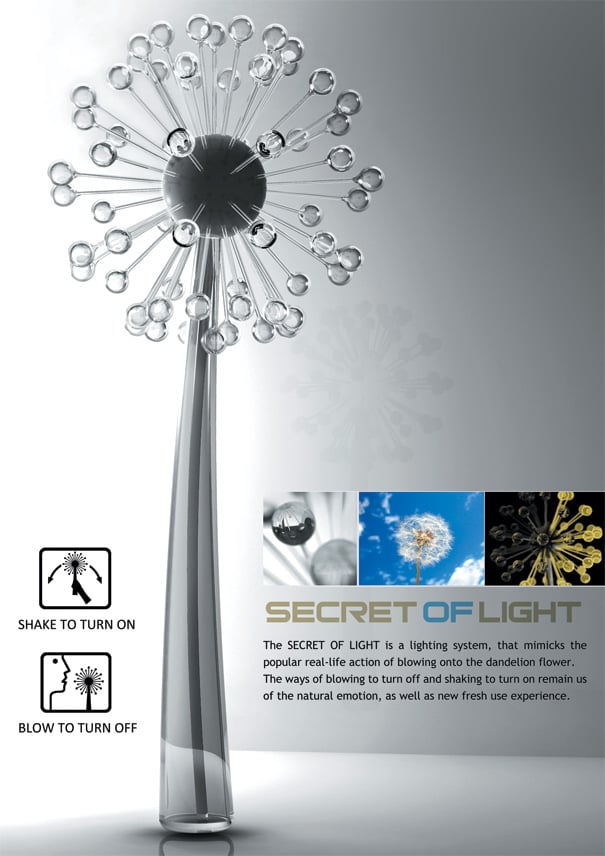
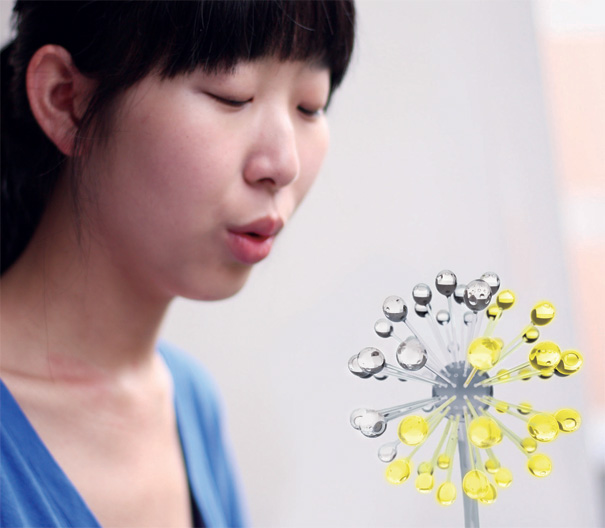
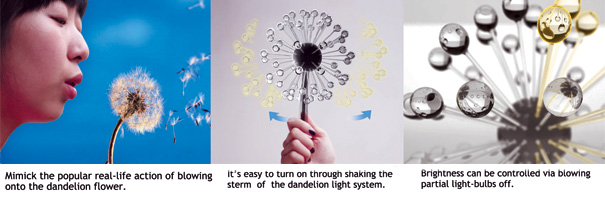
Ever had the urge to pick up some dandelions and blow away its wisps? I haven’t either, but looking at this wonderful Secret Of Light –Lamp, I wish I could find some dandelion in my backyard! The lamp works in this simple way, shake it gently to switch it on (motion sensors), and blow onto the bulbs to switch it off. Mimic how you would do with the dandelion, only less vigorously.

Designers: Qin Xue, Cao iXiaoxiao & Wei Hangshuai

Secret Of Light – Lamp by Qin Xue, Cao iXiaoxiao & Wei Hangshuai

secret_of_light2

secret_of_light3

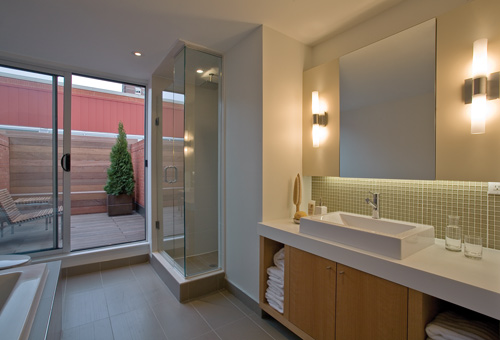
DW Lofts in Toronto by Taylor Smyth Architects

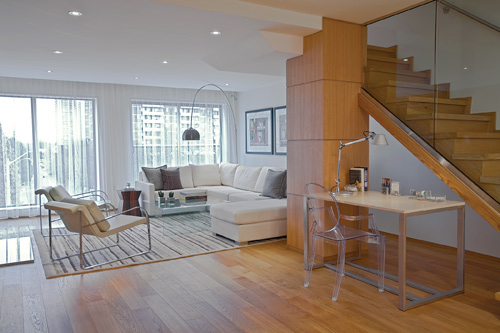
In Toronto’s well-known Designer’s Walk mixed-use complex, this conversion of an outdated, two-story apartment into a condominium took its inspiration from its unroofed central courtyard. With the courtyard as the central element, the unit is clearly defined and feels wide open and airy. The units were built in the mid-1970’s as rental units in a mixed use residential/commercial development.

The palette is muted, with white walls and honey-blonde oak flooring, but not boring — it reflects the light and makes the space feel calming and harmonious. The beautiful feature wall of rubble stones continuously from the kitchen, to the exterior courtyard and back inside to form the wall of the dining room. It adds texture and breaks up the clean lines and solid colors of the walls, cabinets, and flooring without breaking free from the horizontal design.

Upstairs, a large, open space was transformed into a bedroom, bathroom, and walk-in closet. On the lower level there is also a storage unit.


세탁기 속으로 들어간 ‘안드로이드’

이제 모든 전자제품에 버튼이 사라지는 날이 다가오는구나..

제품디자이너들이 할게 없어지네..


구글폰, 안드로이드폰으로 많이 알려진 ‘안드로이드’ 운영체제는 휴대폰에서만 쓰이는 것이 아닙니다. 안드로이드가 가전제품에 들어간다면 어떤 모습일까요?

터치레볼루션이라는 회사가 CES에 출품한 ‘님블(Nimble)’이라는 제품으로 안드로이드가 전자레인지, 세탁기, 프린터, 탁상전화등 다양한 가전제품에 들어갔을때의 가능성을 보여주었습니다.

소비자들이 점점 터치인터페이스에 익숙해지고 있다는 것은 중요합니다. 하지만 단순히 기존에 할 수 있던 기능들이 터치로 바뀐다는 것만 가지고는 충분한 이점이 될 수 없겠지요. 안드로이드를 탑재한 세탁기는 과연 기존 제품들과 어떤 차별화를 보일지 살펴보시지요.

wash1

기존 세탁기의 여러가지 버튼들이 많이 붙어있던 모양에서 터치스크린 만을 가지는 모양으로 바뀌었습니다.

wash3.jp

현재 세탁을 위한 다양한 설정 상태를 한눈에 보면서 손가락 터치만으로 조정가능하게 됩니다. 훨씬 직관적으로 작동을 설정할 수 있겠네요.

wash2

하지만 빨래는 여전히 쉬운 것은 아닙니다. 어떤 옷을 세탁할지 여부에 따라서 설정이 많이 바뀌어야 하니까요. 세탁기 사용법의 모든 것을 다 기억하고 계시는 분들은 많지 않겠죠. 흔하지 않은 재질의 빨래를 할 경우에는 어딘가에 넣어두었던 설명서를 다시 꺼내들어 살펴보실겁니다. 하지만 안드로이드가 탑재된 세탁기에서는 두툼한 설명서를 다시 꺼내들 필요가 없습니다. 설명서도 터치스크린안으로 모두 들어가 있기 때문이죠. 옷에 붙어있는 못보던 세탁마크도 세탁기에서도 바로 찾아볼 수 있습니다.

설명서가 들어가 있는 것이 전부가 아닙니다. 일일이 조정할 필요없이 세탁물의 재질을 선택하면 해당 세탁물에 맞게 미리 설정돼 있는 값들로 자동으로 설정이 되고 어떻게 설정이었는지 한눈에 들어옵니다. 과거에 최신 기술이라며 홍보하던 ‘인터넷 냉장고’ 의 경우 신기하긴 한데 ‘왜 냉장고에서 인터넷을 해야해?’ 라는 의문이 들게 했던 반면, ‘세탁기가 세탁만 잘하면 되지’라고 생각하는 소비자한테 이 제품은 확실히 세탁을 더 잘할 수 있겠구나라는 생각을 들게 해줍니다.

아래는 세탁기의 작동을 보여주는 동영상입니다.

세탁기뿐 아니라 전자레인지, 탁상전화, 프린터 등에서 안드로이드를 탑재하면서 기존의 버튼들이 사라지고 터치스크린으로 입력방식이 대체될 수 있습니다. 전자레인지는 인스턴트 식품의 경우 바코드를 식별해서 자동으로 조리시간을 설정해줄수 있는 기능도 들어갈 수 있다고 합니다.

wave1

미처 생각지 못했던 가전 제품들도 안드로이드를 통해 더 똑똑한 디지털 제품화 돼 가고 있습니다. 앞으로의 경쟁력은 우리 주변에 수도 없이 자리잡게될 디지털 기기에 얼마나 더 안정적이고 우수한 소프트웨어를 공급할 수 있는가로 결정될 것으로 보입니다.

사진출처 : androidandme.com

2010년 1월 8일 금요일

Yantouch Jellyfish LED RGB Lamp

Yantouch Jellyfish LED RGB Lamp
Home  |  Lighting


Japan's Yantouch Jellyfish LED RGB Lamp(JPY 14,800 about $160) shaped like a like UFO, which has a unique touch panel interface that you can use to cycle between colors and brightness levels. You can change any of 16 million unique colors and brightness levels via its touch panel interface. You can also set the lamp to automatically cycle through colors or illuminate only the undercarriage—resulting in a cool backlighting effect. It looks
Source ...

Hands On With the Else Emblaze Smartphone

손가락을 터치했을때 저런방식으로 UI를 저런 방식을 표현하는 것도 괜찮네..


The software's the star here, but here's a quick refresher on the hardware, built by Sharp:

The Else Emblaze, aside from being one of the first phones to use Access' Linux Platform v3.0 OS, is a 3.47-inch 480x854 slab of handset, with an OMAP 3430 processor, 16GB of internal memory, a five-megapixel camera, A-GPS, and 3.5mm headphone jack.

It's immediately more striking than your typical touchscreen smartphone slab on account of its blue illuminated side buttons and touchscreen icon tray, which some might find superfluous, but I found proudly nerdy. If you carried this this around, people would ask about it.

But today, a smartphone is only as good as its software, and that's where the Else's greatest strengths—and potential weaknesses—lie. The "menu" system, though Else would rather not use that word, is a series of concentric levels and sublevels, which you can theoretically navigate with one thumb. I say theoretically out of instinctive skepticism, but I have tried it, and it does work—the learning curve is actually very slight, and finding your way around the phone's basic functions is something I could do instantly. It makes sense, it's smart, and the concept is applied evenly throughout the OS.

Newness counts for a lot in the phone world, and the Else Emblaze is nothing if not new. But freshness carries its own burdens, like a total lack of apps—there will be an SDK, evidently—and rough edges, as evidenced by the phone's sometimes choppy video performance, and the occasional awkward interface concept—issues any new OS has. But the concept is solid, the on-screen keyboard is smart, and aesthetic is wonderfully retrofuturistic, and the device works. So far, so good.

Else won't go any further than to say they're "optimistic" about US carrier prospects, but that could mean a lot of things. And it's hard to imagine a little upstart like this standing much of a chance against giants like Google and Apple, who don't just have the basics nailed down, but an entire ecosystem of apps to lean on. But maybe calling this thing a smartphone is a misnomer: in a way, it's like the ultimate featurephone; one that can do most of the stuff an app-ified smartphone can do, in a genuinely new way. If it costs as much as a smartphone—which is probably will—it'll have to lean on its novelty. But tech folks are jaded, so that's good currency.

So, good luck, I guess.